

India produces enough buprenorphine, a medication used to treat opioid addiction, to serve about 450,000 patients each year. It is treating only 45,000. How do we fix this?

India has more people who misuse opioids than any other country in the world.1 But, of the 7.7 million people in the country who meet the criteria for opioid use disorders, fewer than 2% receive any evidence-based treatment.

Opioid addiction can sneak up on people. Many who use opioids don’t realize they’re dependent until they try to quit and then experience withdrawal. In Mizoram, one of India’s most afflicted states, the literal translation in Mizo for opioid-induced withdrawal symptoms is “suffer”. For users of opioids, “suffer” is as much a description as it is a metaphor. Coming off opioids involves severe cramps that seize the abdomen, sweating that won’t stop, tremors that look like convulsions, diarrhea and vomiting, chills, and many sleepless nights. Some of these symptoms can last for weeks.

Perhaps unsurprisingly, without sustained treatment, the rates of relapse among people who use opioids run between 80% and 90%. They then put off trying to quit again, because they simply don’t want to risk feeling that degree of pain a second time. But, after a relapse, the risk of fatal overdose is particularly high. While a user’s cravings may be just as intense, their body’s tolerance has decreased. Annual mortality among people who use opioids non-medically typically ranges from 1% to 3%.

Fortunately, for the last three-and-a-half decades, there has been access to successful treatment options. Opioid agonist therapy (OAT) recommends replacing illicit opioids with prescribed doses of methadone or buprenorphine. These opioid substitutes (agonists) bind to the same receptors in the brain, so they ease the cravings that users feel without producing the same “high”. This allows users to transition away from the dangerous parts of drug use without having to suffer withdrawal. This treatment works; these medications roughly double the likelihood of staying in treatment and cut the risk of dying from a drug overdose by about 70%.

Scaling OAT, then, seems like an obvious win. The therapy is relatively easy to administer—it can be done in an outpatient setting—and is very cheap. In India, the medication itself can cost as little as 25 to 30 US cents a day. The cost is clearly worth it; treatment pays for itself several times over because every dollar invested yields “a return of between $4 and $7 in reduced drug-related crime, criminal justice costs, and theft. When savings related to healthcare are included, total savings can exceed the costs [of OAT] by a ratio of 12 to 1.”2

And yet, OAT remains woefully underused in India. Just 2% of those who could benefit from it end up getting access, while the remaining 98% are left to fend for themselves. Other low- and middle-income countries manage to treat a considerably higher percentage of those who use opioids. If India scaled OAT to even 25% coverage—still below that of countries like Malaysia, Vietnam, and Iran—it could avert 5,000 to 7,000 deaths per year.3
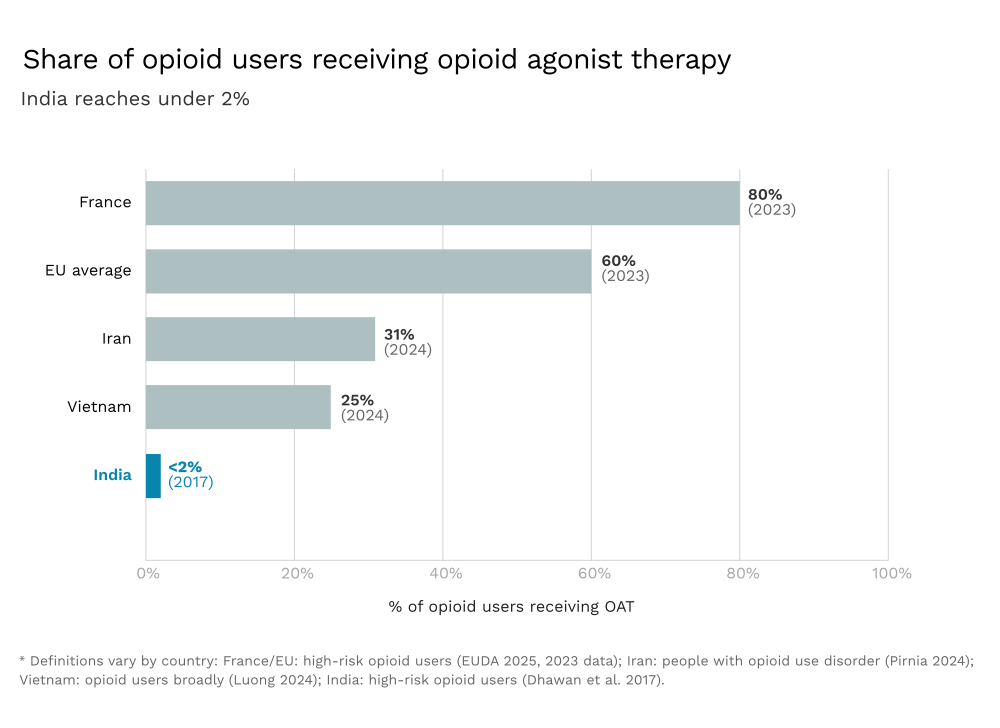
Sources: Dhawan et. al (2017), EUDA European Drug Report 2025, Pirnia (2024), Luong (2024)

Why is India failing on this issue?

It is not because policymakers think OAT doesn’t work. Instead, it is because three decades of policymaking have made it extraordinarily difficult to prescribe the medication, dispense it, or stay on it. India simply doesn’t trust its doctors or patients enough to implement international best practice.

Tracing the Boundaries of Opioid Use in India

Opioid use is not rare in India. About 2.1% of the Indian population uses opioids, roughly three times the world average. In any given year, about a third of those—or 7.7 million people—will engage in harmful opioid use. As a percentage of the population, opioid misuse is more common in India than in South Africa or Germany. And each year, at least 77,000 people will die from drug-related causes. This, too, is not a small number; it is similar to the number of Indians who die from breast cancer.

Injection drug users are the minority of Indian opioid users, making up only about 11% of those who misuse opioids.4 Most injection drug use in India is heroin, trafficked across borders from Myanmar. This means the epidemic is geographically concentrated in India’s northeastern states. Mizoram, Manipur, and Nagaland sit along trafficking routes from Myanmar, leaving them particularly exposed. Heroin also crosses from Afghanistan into Pakistan, and then into the street markets of India’s Punjab state.

The states of Mizoram, Nagaland, Arunachal Pradesh, Sikkim, and Manipur all have opioid use prevalence above 10% of the adult population. Between 4% and 7% of the population meet the criteria for problematic use; this is some 10 times the national average.
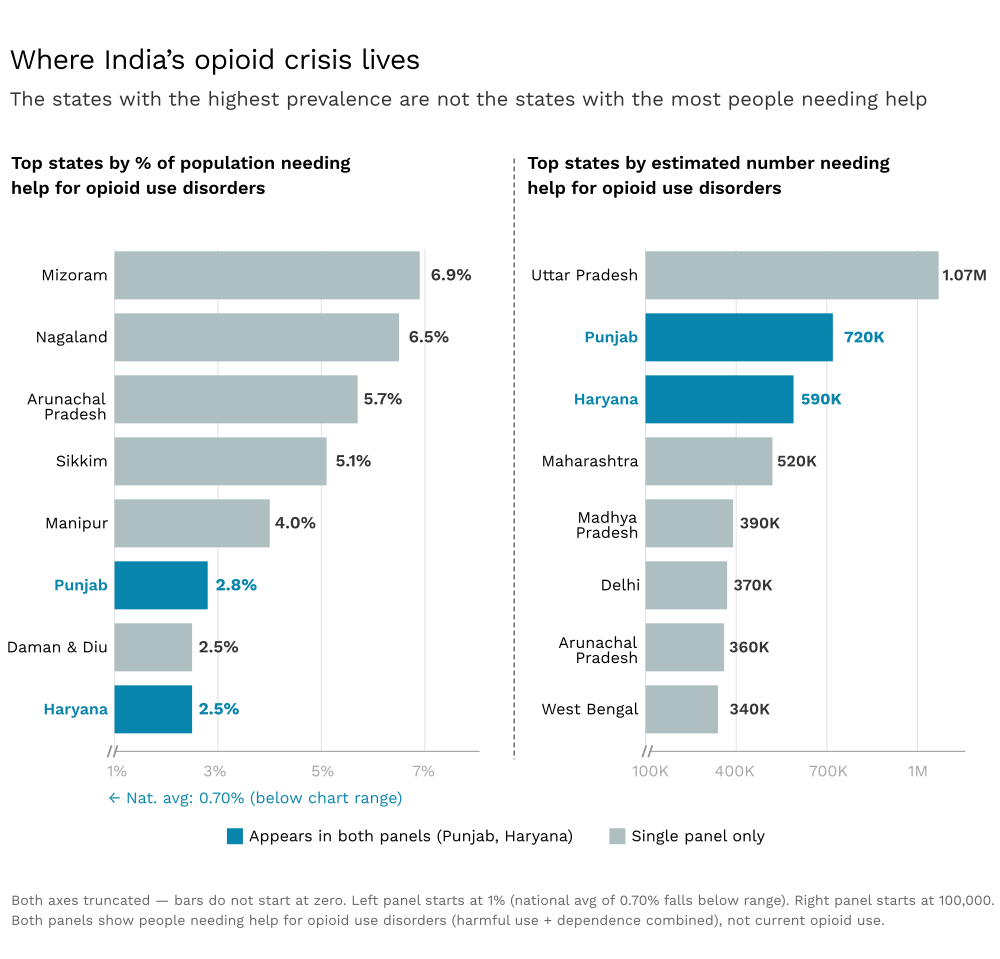
Source: Ambekar A et al. on behalf of the group of investigators for the National Survey on Extent and Pattern of Substance Use in India (2019).

And in these places, the consequences of use extend well beyond addiction. HIV prevalence among people who inject drugs reaches 32% in Mizoram and 18% in Tripura. Hepatitis C prevalence exceeds 60% at multiple sites in these states. Getting the rules of treatment right here could reach a disproportionately large share of the national burden of infectious diseases. 

The majority of users, though, smoke or take pills. Recently, India has seen the same expansion of pharmaceutical abuse that has been seen elsewhere in the world. India makes more generic drugs than any other country, and this includes opioid painkillers like tramadol and tapentadol, which are cheap and easy to get. Pharmacies routinely sell such drugs without a prescription. Indeed, the concept of prescription-only drugs is often more of a suggestion than a rule in many Indian pharmacies. This makes access easy and abuse more likely. About half of India’s opioid users now abuse via prescription drugs, rather than via heroin.

Getting Harm Reduction Right

To many, opioid agonist therapy does not seem like treatment at all. It sounds like simply providing drug addicts with their fix. Perhaps it is a less harmful way to take opioids, but they are still taking opioids. Is it really the role of the state to provide addicts with a different type of drug?

But to even ask the question is to misunderstand the treatment. Users on OAT do not get high, and they avoid the harmful parts of drug use. A major meta-analysis found that OAT reduces all-cause mortality by about a third to a half. It also reduces illicit opioid use, criminal activity, and the needle-sharing that spreads HIV. This is why OAT is the gold standard of treatment worldwide.

Over months and years, OAT allows people to lead stable lives in which they hold down jobs, save money, and rebuild relationships with their families. OAT treats opioid use disorder like any other chronic condition: the goal is not to get off the meds, but to have a functional, healthy life.

In rich countries, coverage is high. France treats more than 80% of its high-risk opioid users. Across the EU as a whole, roughly 60% of high-risk opioid users received OAT in 2023.

But it is not just rich countries that use OAT; it is also widely used in middle-income countries. For example, Iran began its national OAT rollout in the mid-2000s—about the same time India began scaling its program—and now delivers OAT treatment to 31% of those who would benefit from it. Vietnam’s treatment program reaches 25% of opioid users.5 India’s coverage rate is dismal by comparison: less than 2% of people in India who need it receive OAT.

How India Built The Wrong System

To understand why so many patients remain untreated, it helps to understand the history of OAT in India. Opioid agonist therapy was first introduced in India to counter the rise in HIV infections in people who injected opioids. HIV prevalence among people who inject drugs is more than thirty times the average prevalence.

OAT can help reduce these numbers. A patient stabilized on a daily oral dose of medication no longer feels the same degree of craving to inject other opioids, and the needle-sharing that drives infection stops.

So, the national scale-up of opioid agonist therapy began in 2007-08 through the National AIDS Control Programme. The goal was explicit: to reduce needle-sharing and HIV prevalence among those who inject opioids. At the time, this made sense; people who injected drugs made up a large and growing proportion of new HIV cases. India needed to reduce new HIV infections, and that meant OAT for injection drug users.

Even this was politically challenging. Since buprenorphine and methadone are opioids themselves, critics called the government an “official drug dealer.” In some ways, the government appeared to agree; the 2012 National Policy on Narcotic Drugs and Psychotropic Substances described OAT as treatment in which “an injecting drug user is supplied buprenorphine or methadone and persuaded to abuse them orally instead of injecting heroin or other drugs.”

The government treated OAT as if it were a stop on the way to recovery—a slightly shameful stop at that. The policy went on to impose a one- to two-year cap on agonist treatment, insisting that patients be switched to “de-addiction as soon as possible preferably within one year but in no case later than two years.” 

There is no scientific basis for this time limit. Opioid dependence changes brain chemistry in ways that take many years to reverse, not just one or two. A recent cohort study of 32,000 US veterans that tracked treatment durations of up to six years found that survival kept improving with each additional year on treatment, and that the commonly recommended six-month minimum was “likely insufficient, regardless of the patient’s individual mortality risk.”

As one review put it, the question isn’t how to get patients off medication; it’s why we’d want to when they’re already doing well on it. This is why the WHO, since 2009, has recommended that “in most cases, treatment will be required in the long term or even throughout life,” and that this “should not be seen as a failure, but rather as a cost-effective way of prolonging and improving the quality of life.”

And yet, as recently as 2022, newspaper articles ran with headlines like “Punjab’s OOAT6 plan goes awry, addicts get hooked on treatment pills!” In 2023, Punjab’s health minister complained that despite improving access to medications, there weren’t enough patients who had been “cured” of opioid use disorder. But this is a fundamental misunderstanding of opioid use disorders. It is like asking for a cure for diabetes or hypertension. For opioid use disorder, cure is possible, but unlikely; consistent, managed treatment works for nearly all patients. 

Embedding OAT within the HIV program was, in part, a way to borrow the institutional legitimacy and international funding that HIV treatment provided. This was a pragmatic choice; few would argue against reducing HIV infections. But there were significant tradeoffs. Because OAT was built as an HIV prevention tool, the program of the National AIDS Control Organisation (NACO) only registers patients who inject drugs. But this leaves out almost 90% of those who could benefit from OAT. The other 7 million people smoke or “chase” heroin, drink opioid concoctions, or take pills — and they can’t access NACO-affiliated treatment centers.

Where do non-injecting opioid users go instead? Government de-addiction centers offer short-term inpatient detoxification: patients are stabilized, withdrawn from opioids over days or weeks, and then discharged. But relapse rates after opioid detoxification are as high as 90%, with most patients relapsing within weeks of discharge. This is because detoxification only clears the drug from the body. It doesn’t undo what months or years of opioid use have done to the brain. Long after withdrawal, cravings persist, the ability to feel normal pleasure doesn’t return immediately, and the body continues to be sensitive to stress.

Worse still, patients are at high risk of overdose after detox. During detox, opioid tolerance drops sharply. When patients relapse, and most do, they return to doses their bodies can no longer handle.

Recently, India has begun to include non-injection opioid users in their treatment plans. Drug treatment clinics have been set up in government hospitals to provide OAT to anyone with opioid use disorder, not only those who inject. But by 2019, there were only 27 such clinics across the whole country. Clearly, this does not suffice to serve 7 million patients.

Punjab is the one place in India where this approach has been scaled.7 Government-run outpatient clinics now accept any opioid-dependent patient regardless of injection status. 

Evidence-Based Policymaking

There is another significant problem. Indian policymakers haven’t faced the scale of the crisis. The government’s programmatic mapping exercise, conducted between 2020 and 2022, estimated there were about 289,000 injection drug users in India. But the Magnitude of Substance Use in India study, conducted by the All India Institute of Medical Sciences (AIIMS) and the Ministry of Social Justice and Empowerment in 2018 put the number at about 850,000. The latter number is likely more accurate as it is designed to capture hidden populations away from obvious hotspots.

Different parts of the Indian government use each figure; the Narcotics Control Bureau has since adopted the higher figure, but the National AIDS Control Organisation, which runs the OAT programs, uses the lower one. Planning for the lower number will leave half a million injection drug users out in the cold, and it certainly leaves no spare capacity to reach other types of opioid users.

Even if there were only 289,000 opioid users, India simply doesn’t have the clinics it needs. In the decade to 2023, the country went from essentially zero national OAT coverage to 393 centers. Punjab has added a further 529 clinics. But just short of a thousand clinics can hardly cover 7 million people across 28 states.

The situation for women is particularly bleak. Women who undergo treatment in women-only centers show less substance use and criminal activity compared to those in mixed-gender programs, but there are only four women-only drug de-addiction centers in the entire country.

There are viable solutions to this dearth of treatment facilities. If community health centers and primary care physicians could prescribe and dispense OAT, the number of access points would increase dramatically without the need to create new centers. As of 2023, India already had over 30,000 primary health centers and about 170,000 sub-centers. Even a small fraction of these offering OAT would radically increase coverage.8

Beyond Government Clinics

In a country the size of India, though, government-affiliated clinics probably won’t be enough. Private providers can help fill this gap. This is relatively common across countries that provide OAT; Iran, for instance, has more than 7,000 private outpatient clinics dispensing OAT.

In principle, Indian psychiatrists could follow Iran’s example. There are private de-addiction centers in India, and private psychiatrists are legally permitted to prescribe buprenorphine. In practice, very few facilities offer OAT because private psychiatrists simply don’t want to take the risk.

Prescribing buprenorphine is a regulatory grey zone, with conflicting directives. Buprenorphine is simultaneously regulated under four different legal instruments: the Narcotic Drugs and Psychotropic Substances Act 1985, the Drugs and Cosmetics Act 1940, the Mental Healthcare Act 2017, and separate Drug Controller General of India approval conditions, and none of these agree on who can stock, dispense, or prescribe the drug. In the past, psychiatrists have been arrested for providing buprenorphine without the right licenses.

Consider (again) the example of Punjab. While it has had success in expanding government-affiliated clinics, private clinic expansion has not gone so well. In 2019, the Drug Controller General of India issued a directive that private psychiatrists could dispense buprenorphine from their own clinics. But, before the rules could take effect, the Punjab and Haryana High Court stayed the change. In 2020, the state’s cabinet amended its rules to allow private clinics to dispense anyway, but, by 2021, that provision had been rescinded. Four years later, in June 2025, citing the shortage in the public system, the Punjab health minister announced that private psychiatrists would be allowed to dispense in their outpatient departments. But, within weeks, the 2019 stay resurfaced as a legal barrier, and the health department set up a committee to decide how to get it vacated. In October 2025, the state cabinet issued new rules that specifically allowed individual psychiatrists to provide OAT without running a full inpatient rehab, but, within weeks, a public interest petition was filed challenging the rules. The petitioner argued the outpatient-only category was inconsistent with the Mental Healthcare Act and would encourage unregulated dispensing and diversion. At the time of writing, the matter was pending before the Punjab and Haryana High Court.

Unsurprisingly, all this flip-flopping has put private practitioners off OAT entirely. No official count of private facilities has ever been published, but the number appears negligible. In India, prescribing OAT may be harder than prescribing the opioid itself.

A Dosage That Causes Suffering

Even if a patient can reach one of the few government-affiliated clinics, the current system makes it difficult for them to stay in treatment. For a start, clinics radically underdose patients.

India’s early experiments with buprenorphine in the 1990s used very low doses of 1.2 to 2 mg per day, in part because only 0.2 mg tablets were available at the time. After larger doses became available in the 2000s, a very small-scale local study in India compared the efficacy of 2 mg and 4 mg doses. It showed no difference in efficacy, likely because the study only had 23 patients. Indian policymakers stuck with the lower, cheaper dose.

Unfortunately, early studies were misleading. The WHO now recommends 8 mg to 24 mg per day for buprenorphine maintenance. At lower doses, patients are much more likely to still experience withdrawal and cravings. Since patients still suffer the negative side effects of coming off drugs, they are much more likely to discontinue treatment. A meta-analysis found that patients on 16 mg or more stayed in treatment longer and tested clean more often than those on lower doses.

India has since updated its guidelines somewhat, but they remain far below international norms. More than three-quarters of patients at government-affiliated treatment centers were receiving less than 8 mg daily and, as a consequence, about 38% had dropped out by six months. There has been no attempt to see whether higher doses could reduce this dismal retention rate.

Increasing the dosage received at clinics to the WHO standard would not require major changes. Since dosing is centralized in a relatively small number of clinics, it would be relatively simple to require these government-affiliated clinics to provide at least 16 mg of buprenorphine daily in consultation with the patient. Since buprenorphine is so cheap, it would not even be a major strain on government budgets.

Barriers to Staying in Treatment

But let us say a patient can get to a clinic and tolerate the ongoing cravings. India’s clinics still make it difficult to stay in treatment. Indeed, they give patients a seemingly never-ending series of obstacles.

When a patient starts OAT, the consent form requires a family member or witness to co-sign, and patients must agree to bring family along for follow-up visits. At many centers, this means a patient cannot begin treatment without first disclosing their addiction to a relative. Given the severe stigma of opioid addiction, that is not a small ask.

The family obligation doesn’t stop at registration. On weekends, when clinics are closed, a family member must collect the patient’s doses and supervise them at home. The patient cannot take the medication unattended. The logic behind this is that families support recovery and that involving them early builds a structure around the patient. But not everyone has a willing family member, particularly if they have struggled with opioid addiction that has strained family relationships.

The logistical difficulties do not end there. In India, OAT requires daily attendance at a clinic. Medication is given as a small tablet, often crushed and placed under the tongue. Staff watch it dissolve so it can’t be pocketed and carried out. But most clinics are only open from 9 am to 4 pm. When travel to and from a clinic is included, treatment can take hours a day, and most of those hours must be during the workday. In a country where many laborers work in informal jobs without the ability to even discuss taking time off, it can seem easier to discontinue treatment than to try to manage the logistics.

Seasonal migration makes these constraints even harder to navigate. In India, it is estimated that between 2% and 6.8% of people migrate seasonally. But when clinics require frequent in-person attendance, OAT becomes difficult to sustain. In a set of interviews with young people who inject drugs in the northeast state of Mizoram, one patient described the problem:

“We went to my wife’s village. We expected the length of our stay to be one week, one week and a bit. But they could not give us too many OATs. Maybe it was two or three days’ dose; they gave us just that. During that time, if I didn’t take it, I still had to suffer.”

So, people adapt. For travel, they borrow doses from others at the clinic, then smuggle out their own daily allotment after they return to repay the loan. In Punjab, researchers have documented this barter system among truck drivers whose trips can last a month. Most of the “diverted” buprenorphine is probably consumed by people already in treatment, not by new users chasing a high.

In many countries, take-home OAT is much more common because they have adopted an important technological improvement. Rather than using just buprenorphine, they use buprenorphine combined with naloxone. In this formulation, an opioid-like molecule, buprenorphine, and its antagonist, naloxone, are combined. When you swallow the tablet, naloxone is poorly absorbed and has little or no effect, while the buprenorphine works as expected. But if someone dissolves and injects the tablet to get high, the naloxone blocks the opioid receptors and triggers withdrawal symptoms. This means it is safe for take-home dosing since the patient can’t get high on it even if they try.

The combination works well elsewhere. In the United States, buprenorphine is prescribed like any other Schedule III medication, with patients receiving up to a month’s supply at a time. The longer patients stay on treatment, the better the outcomes. We know that the combination product—buprenorphine mixed with naloxone—is as effective as buprenorphine alone, suppressing withdrawal and cravings. 

While there have been concerns that the effects of naloxone may be too short-lived to prevent diversion in all forms, there is some concrete evidence that its design to deter abuse works. Patients prescribed buprenorphine-naloxone consistently report injecting it for misuse less often than those on plain buprenorphine. Weekly injection rates in Australia ran roughly half those of buprenorphine alone, daily injection rates among Finnish needle-exchange participants about a fifth, and US surveillance data show a similar gap.

This combination does exist in India. The buprenorphine-naloxone combination was launched in the country in 2004-2005. It is not clear why it hasn’t become the standard medication of choice for take-home dosing.9

But during the COVID-19 pandemic, India experimented with longer dosing. NACO allowed take-home buprenorphine for the first time, with centers dispensing at least seven days’ supply, and even up to four weeks’ provision in some tertiary centers. A retrospective cohort study at one North Indian tertiary center compared patients given a 1- to 2-week supply before the pandemic with a cohort given up to 4 weeks during it. The longer-prescription group stayed in treatment longer.

But even the combination therapy is just a better version of the same daily pill. The science has moved further along. In April 2026, the WHO added long-acting injectable buprenorphine to its treatment guidelines, recognizing that a monthly injection eliminates the need for daily clinic visits that drive patients out of treatment, and removes the diversion risk that drives daily dispensing recommendations. And even better options are on the horizon: subdermal implants could offer six months of steady medication from a single procedure, and early research on GLP-110 receptor agonists like semaglutide suggests they may reduce opioid cravings. Trials are in progress in the US right now, but there are no such trials in India. India must move beyond 1990s science and find the best ways to treat its large opioid-dependent population.

Fixing the Problem

It is not that India lacks the medicine or the money to treat opioid addiction. Rather, it is that the country’s opioid treatment system was built on a deep mistrust of the people within it. Patients are treated like addicts without the willpower to get clean, not as people dealing with a physiological dependence. Every choice in the system underlines that reducing the risk of misuse outweighs any suffering patients may experience along the way.
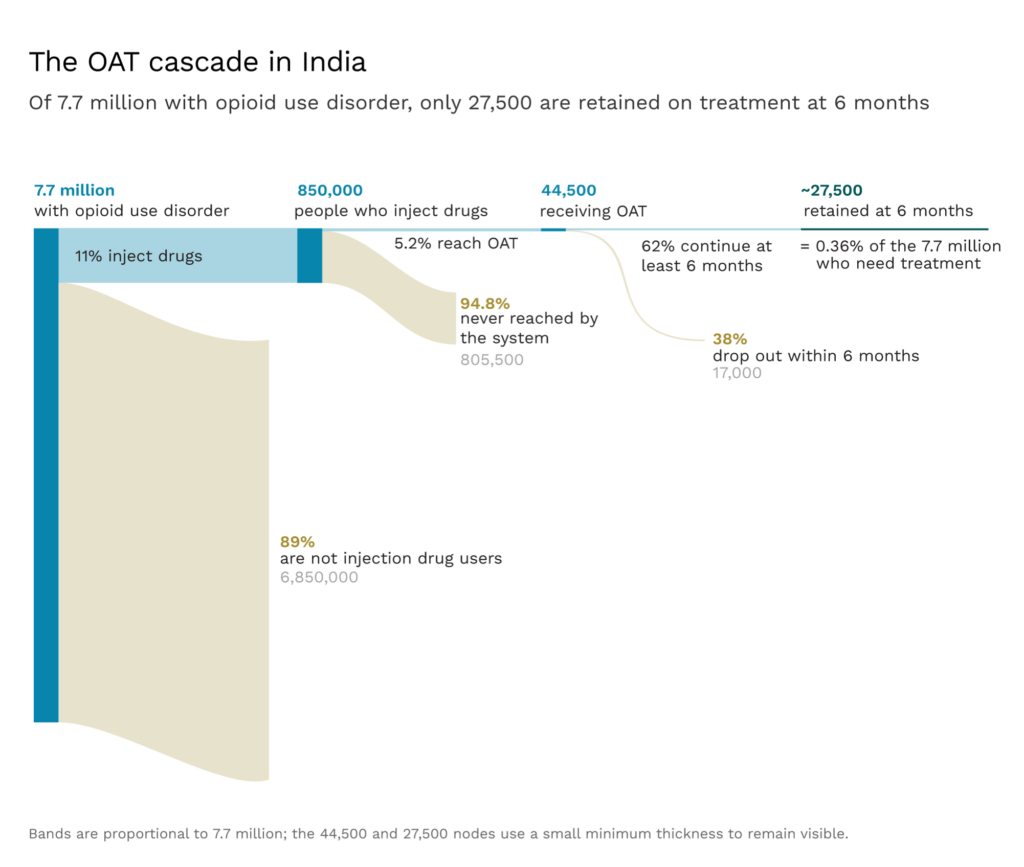
Sankey diagram of accessing OAT in India
Sources: Ambekar A et al. on behalf of the group of investigators for the National Survey on Extent and Pattern of Substance Use in India (2019); NACO program data; Ganapathi et al. (2023)

Most of these choices can be unwound, and most without much money. India can plan for all those who are dependent on opioids, not just the ones the government deems acceptable to count; raise government clinic dosing to the WHO range; make buprenorphine-naloxone the default take-home medication; and let primary health centers and private clinics prescribe and dispense without putting themselves in legal jeopardy.

None of these require inventing anything. The evidence base is decades old, the international playbook has been successfully followed in many other countries, and India is well-placed to implement a better system. Indian patients should not need to suffer any longer.
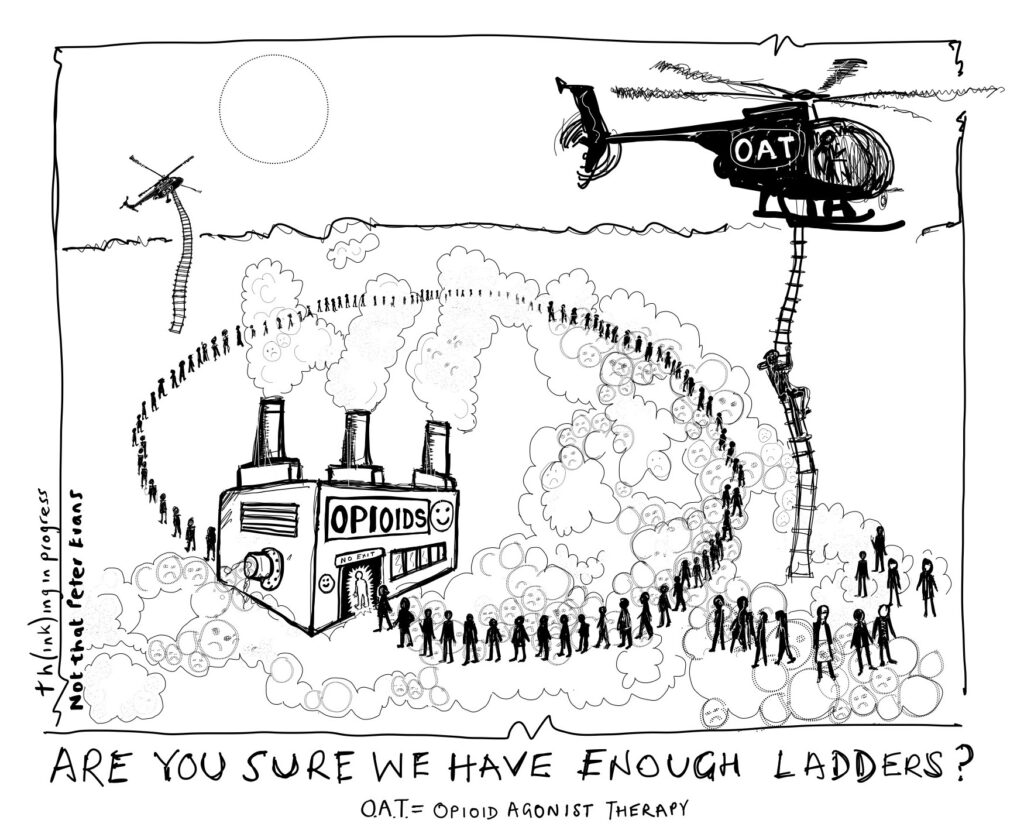
Cartoon of opioid users being rescued by helicopters - but there aren't enough ladders or helicopters to help everyone.

Akshay Narayanan is a public health researcher and consultant working on treatment for young people with opioid use disorders in India and violence prevention in schools across low- and middle-income countries. He previously led child protection programs for Guardians of Dreams, and writes about how young people shape the world and how the world shapes their lives.

If you have comments on this article, or wish to contribute to the discussion, please email them to letters@indevelopmentmag.com. Responses will be featured in a letters section.

  1. As calculated from prevalence numbers from the World Drug Report 2025. Some sources have the US as having a slightly higher number of people with opioid use disorder; given the difficulty surveying this population, there is some variation among sources. ↩︎
  2. This cost-effectiveness estimate is from the US; no similar estimate exists in the South Asian context, despite nearly two decades of OAT delivery in India. ↩︎
  3. India’s National Crime Records Bureau reported about 3,000 drug-related deaths between 2019 and 2023 but this figure is universally regarded as a severe undercount. As Singh and Rao (2012) note, opioid overdose deaths in India are routinely registered as “cause unknown” or as exposure to cold or heat, particularly among the homeless. The figure also captures only “accidental” opioid overdose. It excludes the far larger toll of drug-attributable mortality from HIV and Hepatitis C transmission through shared needles, injection-related infections, and mental health comorbidities. The true baseline against which any treatment scale-up would operate is almost certainly an order of magnitude higher than the official count.

    Scaling OAT from 2% to 25% would put an additional approximately 1.77 million Indians into treatment. Of those, baseline annual mortality would be about 18,000 to 27,000. Applying Sordo’s 55% reduction in all-cause mortality only to the fraction meaningfully retained in treatment (assume even half, given conservative retention rates) yields roughly 4,900 to 7,300 lives saved per year from mortality reduction alone. ↩︎
  4. Some heroin users inject, although in India it is more common for heroin to be smoked. ↩︎
  5. As of December 2022, Vietnam had 235,314 registered drug users, of whom 84.7% use opioids. There are 52,000 people in treatment, which is about 25%. ↩︎
  6. Outpatient Opioid Assisted Treatment. ↩︎
  7. There are now 529 such clinics in Punjab. ↩︎
  8. Indeed, this is precisely how Punjab has been expanding access to OAT to address its growing opioid crisis. ↩︎
  9. Perhaps it is because the NACO guidelines reference only plain buprenorphine. Given the legal uncertainties, it does not make sense for prescribers to push for something not explicitly covered by regulation. ↩︎
  10. Glucagon-like peptide-1 ↩︎

Can Africa regulate as a continent?

Enlli McAleese

What happens when 55 countries try to review medicines together?

The Problem of Regulatory Delay

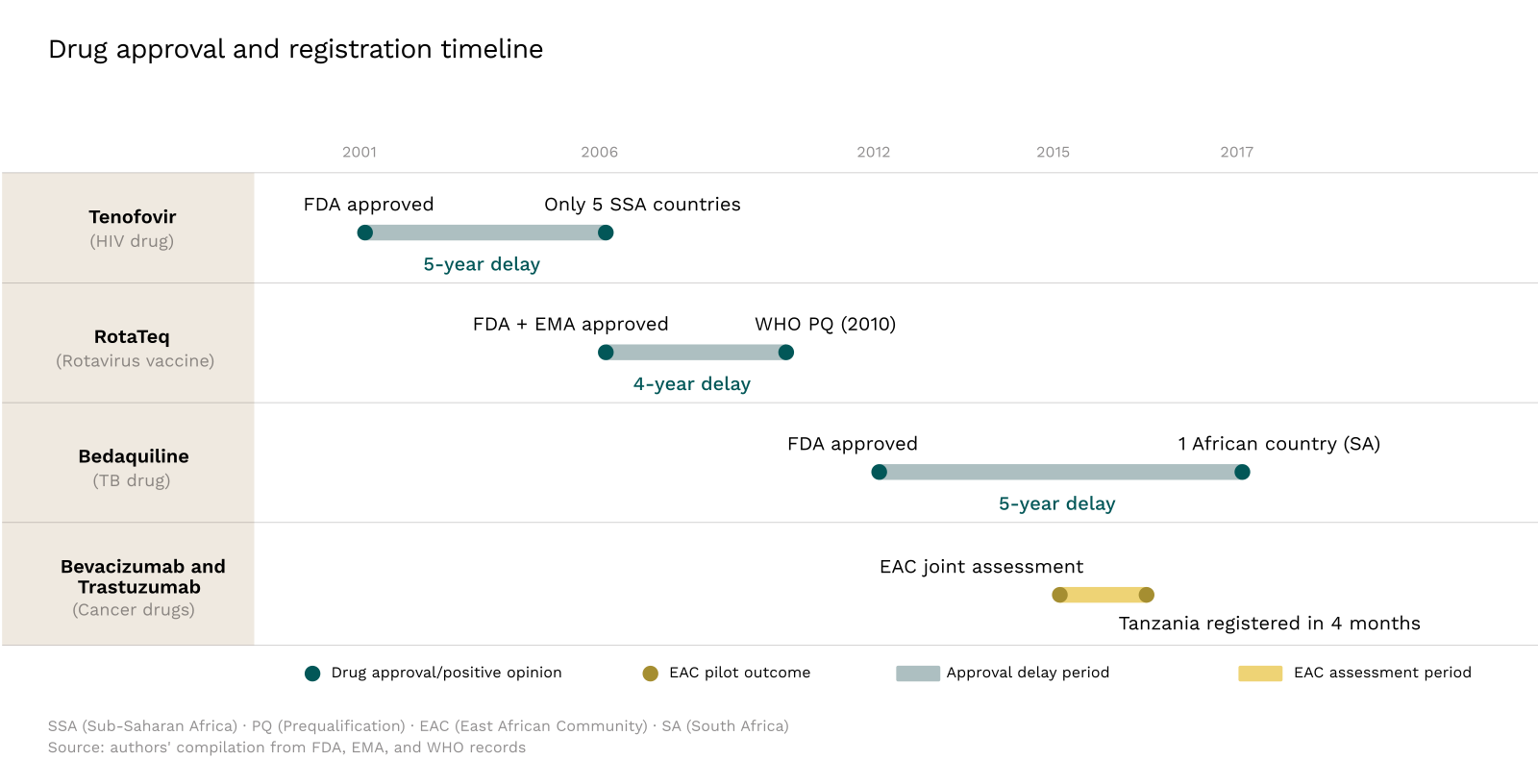
The drug tenofovir disoproxil fumarate, a cornerstone of HIV treatment, was approved by the United States Food and Drug Administration in 2001. Its better safety profile quickly made it a standard treatment in the US and Europe. It should have been a shoo-in in Africa; at the end of 2001, sub-Saharan Africa accounted for over 70% of the world’s HIV/AIDS cases, while an estimated 2.3 million people on the continent died of the disease that year.

Instead, when African countries began rolling out their national programs to address the AIDS epidemic, with Botswana leading the way in 2002, most patients started on stavudine-based regimens.1 Stavudine was cheap but toxic, causing disfiguring and sometimes life-threatening side effects. In South Africa, one study showed that 30% of patients stopped taking it within three years.

By early 2006, the manufacturer, Gilead, had registered it in only five sub-Saharan African countries. Even in South Africa, one of the region’s larger markets, the company did not apply for registration until late 2005.

In Africa, programs only began replacing stavudine with tenofovir in around 2010.2 Had Gilead filed in African markets alongside the FDA, tenofovir could have been available from the start.3

This same pattern was repeated with bedaquiline, the first new class of tuberculosis drug in over 40 years. Following fast-track approvals by the FDA in 2012 and the European Medicines Agency in 2014, it was hailed as a breakthrough against drug-resistant tuberculosis, a disease that was killing over a million people annually. Most of those people lived in Africa and Southeast Asia. Yet, by October 2014, it had been registered in just one African country (South Africa). In South Africa, mortality among drug-resistant TB patients was roughly half on bedaquiline-based regimens compared to standard treatment. Elsewhere, patients continued to receive inferior drugs.4

The Nature of Regulatory Delay

On average, in sub-Saharan Africa, there is a gap of four to seven years between a drug or vaccine’s first submission to a regulatory agency in a high-income country and its approval. Two distinct regulatory barriers drive this.

The first is submission delay. Africa has 55 countries, and manufacturers must usually file separately in each one. This means repeated applications, different technical requirements, and higher costs. For firms weighing returns in any single market, the arithmetic often does not favor registration. They focus on larger, richer markets instead, so products are either not submitted or arrive years later. That was tenofovir’s fate.

The second is review delay. For example, if you submit a drug for review in Botswana, realistically, you can’t expect to start selling it until three years later. This is much longer than in countries like the US, where a standard review takes 10 months.

Drug reviews can be slow anywhere; the FDA, for instance, missed its own review deadlines for about 1 in 10 products in 2025. However, in developing countries, insufficient staffing at the regulatory agency can be a binding constraint. Reviewing a complex drug dossier requires trained pharmacologists, toxicologists, and clinical experts, as well as laboratory capacity to test product samples and systems to track adverse events once drugs reach patients. Most African countries lack this infrastructure.

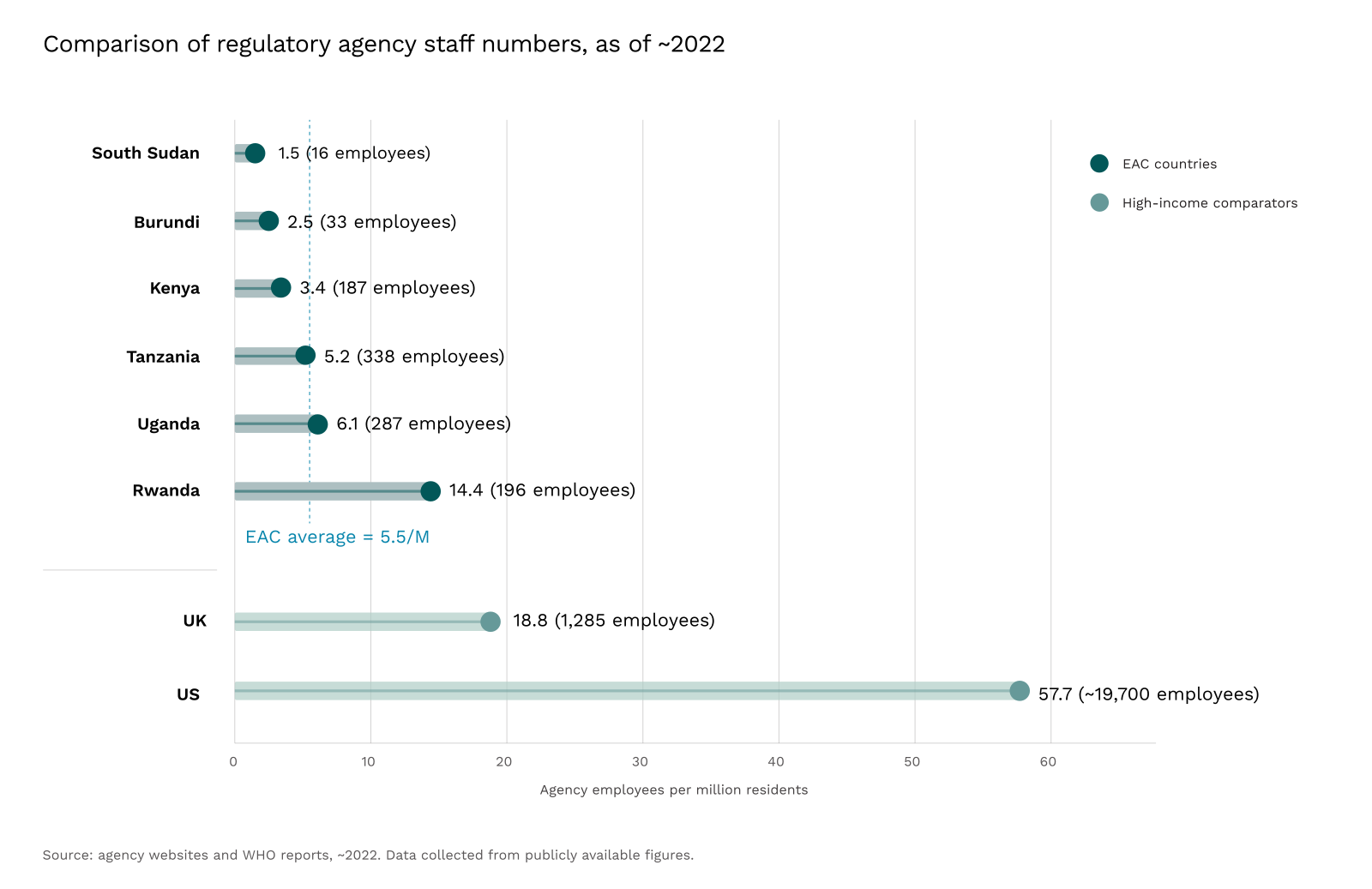
According to the WHO, more than 90% of African countries have minimal to no regulatory capacity. For instance, in 2022, South Sudan—a country of about 11 million people—had just 16 staff at its medicines regulatory agency (~1.5 per million residents). By contrast, the US employed about 19,700 (~56 per million residents).

Regulating “Family Style”

Africa is not the only continent with many small countries, nor is it the only one that has faced limited capacity. Regulators around the world have developed three broad responses to submission and review delays. Each has involved some form of cross-border cooperation—call it regulating “family style.”

Harmonization of regulatory requirements across agencies addresses submission delays. When regulators standardize procedures, guidelines, and technical requirements, they make it easier for manufacturers to submit in multiple countries. The International Council for Harmonization has spent decades aligning technical standards across major developed country markets, but much of Asia, Africa, and Latin America remains outside its framework.

Collaborative review goes further: regulators jointly assess applications while retaining national authority. The FDA’s Project Orbis does this for cancer drugs. Since May 2019, the US, Australia, Canada, Singapore, Switzerland, the UK, and others have conducted concurrent reviews, often issuing approvals within days of each other. But this model depends on trust, which is easier when participating agencies have similar levels of capacity.5

Reliance reduces duplication by allowing regulators to defer to trusted authorities. For example, the UK can fast-track approval of drugs already authorized in other major markets.6 The WHO Prequalification Program operates on similar principles, allowing countries to rely on WHO’s assessment rather than conducting their own full review.

However, reliance is only beneficial when the leading authority’s reviews are timely. In 2022, WHO’s full review pathways averaged about 17 months, a reminder that concentrating regulatory work in a single body amplifies the cost of that body’s failures across reliant countries.7

The deepest form of collaboration is supranational regulation. In the European Union, the EMA conducts a single scientific review, and the European Commission issues one authorization valid across all 27 member states. This only works because EU countries agreed to pool sovereignty for drug approval. Without that political foundation, the model is hard to replicate.

The East African Pilot

In 2009, the African Union established a Medicines Regulatory Harmonization initiative.8 Rather than attempting continent-wide harmonization and collaboration immediately, it decided to run a five-year pilot through one of the continent’s existing regional economic communities, soliciting proposals and then funding the most promising plan. The East African Community (EAC) won the bid. Its application was compelling: it already had a customs union and a common market in force, giving its member states genuine experience in cross-border cooperation; it comprised a small number of partner states, most of which shared a common language, culture, and infrastructure; and its national regulators had already been collaborating informally for years.

And so, in 2012, the EAC’s Medicines Regulatory Harmonization (MRH) initiative was launched, covering nearly 150 million people. The initiative targeted reducing submission and review delays by adopting two of the “family style” regulatory approaches: harmonizing requirements and speeding up review by sharing the work among national regulators, while maintaining rigorous standards.

It was not designed as a supranational regulator issuing binding approvals. Applications would be jointly assessed, but final decisions on whether to approve a product would remain at the national level. There would be no central authority for medicine approvals in East Africa.

But it did split the work across countries. A product application was first submitted to Tanzania’s regulatory agency, which was responsible for the initial screening to confirm that all sections were complete. Tanzania then assigned two other national authorities to evaluate the application’s data in full, while Uganda’s regulator simultaneously led the product’s Good Manufacturing Practice assessment. Once these assessments were complete, all EAC regulators came together in a joint session to discuss the findings and reach a consensus recommendation. This was then submitted to the Secretariat, and the manufacturer could use it to apply for national marketing approval in each EAC member state individually.

Process map and milestones for East African Community (EAC) joint assessment procedure pilot. Source: Ngum (2025).

And it worked. Up to a point.

The median timeline for joint assessment fell from about two years to just over a year by 2017, and down to 240 days by 2019. Between 2015 and 2020, the initiative held 10 joint assessment sessions, reviewing 83 product applications, and recommending 36 products for approval in the region. The initiative also succeeded in advancing regulatory harmonization, by developing a Common Technical Document that manufacturers could use for submissions across all partner states. Joint Good Manufacturing Practice inspections began in 2016, pooling expertise and reducing redundant factory visits.

As well as reducing regulatory delay, the joint assessments introduced higher manufacturing standards than many national pathways required. They mandated bioequivalence studies, to demonstrate that generic drugs perform in the body in the same way as branded originals do. National procedures often waived such requirements, but the MRH had the capacity to insist on these.

Beyond speeding up review times, the initiative also sought to encourage drug classes that might not otherwise have been registered. Major global health organizations, such as the WHO, naturally prioritize advancing medical products to fight the highest burden diseases in Africa. These are usually infectious diseases. But as the African population ages, and the burden from infectious diseases has been reduced, non-communicable diseases have become increasingly important. The East African pilot decided to also focus on drug classes that treat these disease types, particularly anticancer and antihypertensive medicines. Before the pilot, such drugs were systematically under-registered: when Kenya’s government attempted to procure essential cancer drugs, nearly a quarter weren’t available in the country. Early joint assessment application data suggests the pilot began to address this gap: between 2015 and 2017, 16% of 49 applications were for oncology drugs and 24% for cardiovascular products.

Perhaps most importantly, the initiative helped build regulatory capacity across the region. When it began, only Kenya, Tanzania, and Uganda had regulatory agencies separate from their ministries of health; Burundi, Rwanda, and Zanzibar, by contrast, had small departments housed within theirs. By cooperating with more established regulators, Rwanda and Zanzibar were able to increase their independence.

But the limitations were equally apparent.

In 2015, Roche used the initiative to seek approval for two established cancer medicines, bevacizumab and trastuzumab.9 The joint assessment proceeded quickly, with a positive recommendation issued within months of submission. Tanzania registered them within four months of the drugs’ application for joint assessment, a remarkable improvement over its 15-month average.

Yet Roche registered the medicines in only only three of the six countries under the initiative at the time. It chose not to pursue the smaller markets. Even with a streamlined process, manufacturers still faced separate national submissions and fees; these markets simply weren’t worth it for Roche.

And the program didn’t fix all regulatory issues. National registration was supposed to take about three months, but sometimes took over a year. When pharmaceutical executives were surveyed about the initiative, their response was measured. They supported its ambitions and noted progress. But final national authorizations still took too long, and some countries failed to recognize joint recommendations.

This last point revealed a deeper tension. The premise of collaborative review is mutual trust. But some national regulators refused to accept the joint decisions. While their rationale isn’t publicly known, it could have been due to a lack of trust. When sharing work across countries with very different capacity levels, those with high capacity may not wish to defer to those with lower capacity.

The introduction of higher standards for generics created its own pressures. During the pilot, the industry became frustrated that the joint regional standards were higher than those previously applied in some member countries. As long as some countries maintain less demanding requirements, regulatory arbitrage—where firms capitalize on regulatory loopholes to avoid unfavorable rules and cut compliance costs—becomes possible, and companies may simply choose to submit only to countries with lower standards.

And there was one other issue. The initiative was meant to become self-sufficient after five years, transitioning from donor funding to fees and contributions from partner states. Nine years later, that transition hasn’t happened. Relying on outside funding introduced more delays to the process, and made the whole endeavor fragile.

Scaling to a Continent

Still, the East African pilot was always intended to lead to something larger. Conversations about a continental regulator date back to 2009, but it took a decade of political negotiation before the African Union formally adopted a treaty establishing the African Medicines Agency (AMA). Scaling the harmonization model to 55 countries had the potential for the same gains seen in East Africa, but it also meant confronting the same obstacles, compounded across a far larger and more diverse region.

Even after treaty adoption, creating the AMA wasn’t easy. In 2020, not long after the agency was created, the continent faced the COVID-19 pandemic. Most African countries lacked sufficient regulatory capacity to handle the approval of new medications and therapies. Instead, they had to depend on authorizations from the FDA, EMA, and WHO, leaving them with little autonomy over which vaccines and treatments they could access—or when. For proponents of the AMA, it was a concrete illustration of what a continental regulator was meant to address. Well-resourced regulators can supplement domestic capacity, but they cannot substitute for it. The AMA is intended as a coordination mechanism designed and governed by African states themselves, rather than relying indefinitely on external authorities. In that sense, the AMA fits within a broader African Union commitment to improve medical capacity on the continent and achieve health sovereignty.10

By the time the AMA officially launched in November 2025, some 39 member states had signed or ratified the treaty. But 16 countries, including South Africa and Nigeria, two of the continent’s largest pharmaceutical markets, had yet to commit, preferring to maintain independent regulatory frameworks. Without them, the AMA is likely to face considerable headwinds, operating with a meaningfully smaller share of total African pharmaceutical trade and a much weaker incentive for companies to engage with the agency at all.

The AMA also faces another significant hurdle. It is a harmonization initiative; it is not a supranational regulator—at least for now. Participation is voluntary, and countries retain the right to disregard its assessments entirely. Despite frequent comparisons, it is not “an EMA for Africa.” If engaging with the AMA and the individual countries costs more time and money than simply submitting to a country directly, companies will take the simpler path. If that isn’t the AMA, the agency risks becoming regulatory theater, significant on paper but inconsequential in practice.

The AMA can draw a clear lesson here from the East African pilot. An industry survey found that most manufacturers had expected joint assessment decisions to be automatically accepted by individual national regulatory authorities. Manufacturers who had expected automatic acceptance lost confidence in the program when they realized that this was not what it did. Setting expectations at the outset and clearly communicating the actual benefits of the AMA will position the continental agency far better with manufacturers than the pilot did.

As with the pilot, financing will also be a pressing question. Since 2022, the AMA has attracted significant external financial support—100 million euros over five years from the EU and the Gates Foundation, alongside contributions from Wellcome, the European Commission, and Belgium. But donor funding has expiration dates. The agency will ultimately require either substantial contributions from member states or it must begin to charge drug manufacturers.11

In many ways, the AMA will take all the challenges experienced in the pilot and amp them up. Building trust was difficult enough across countries in East Africa; it will be all the harder across the entire continent. Even the question of language becomes a serious operational problem: the EAC operates across three languages while the African Union officially recognizes six.12

If it goes well, the AMA could become a trusted coordinator that reduces duplication and accelerates access across the continent. Or, if these tensions aren’t resolved, it could become just another layer of bureaucracy, adding assessments, fees, and complexity without shortening national approval timelines.

Which outcome prevails will depend on whether the AMA can deliver value that justifies the additional step, and whether enough member states have the political will to let it try.

A Worthy Experiment

In many ways, the AMA is more than an experiment in drug regulation. It is an experiment in regional cooperation in the developing world—an experiment in which the stakes are high, resources are scarce, and incentives push toward yet more fragmentation.

The AMA is attempting something genuinely ambitious: regulatory coordination across 1.5 billion people, 55 member states, six languages, and enormous variation in capacity and political will. The EMA took decades to reach its current form, even with the advantage of operating within high-income Europe. Africa has neither time nor the advantages of money. The work will be technical, administrative, and often dull (to all but the most passionate regulatory wonks). But the alternative to a project like the AMA is that essential HIV treatments arrive half a decade late in places that needed them most.

Enlli McAleese is a researcher and advisor focused on strengthening medicines regulatory systems in Africa. She previously served as Regulatory Director at 1Day Sooner and worked on the COVID-19 vaccine rollout at the UK Department of Health & Social Care.

If you have comments on this article, or wish to contribute to the discussion, please email them to letters@indevelopmentmag.com. Responses will be featured in a letters section.

  1. Before the adoption of tenofovir in Africa, first-line antiretroviral therapy primarily relied on older nucleoside reverse transcriptase inhibitors combined with either a non-nucleoside reverse transcriptase inhibitor or a protease inhibitor. Common first-line regimens were stavudine, lamivudine, plus either nevirapine or efavirenz. ↩︎
  2. Studies have shown comparable antiviral efficacy between stavudine and tenofovir, including Gallant et al. (2004) and Kouamou et al. (2022). ↩︎
  3. It bears noting that registration alone may not have guaranteed access, since tenofovir’s price remained prohibitive until Gilead’s voluntary licensing program in 2006 enabled generic production and dramatically reduced costs. Earlier registration, however, would have created the legal precondition for faster licensing negotiations and generic entry. ↩︎
  4. Vaccines follow a slightly different path. Typically, a vaccine needs to obtain WHO prequalification before Gavi, the Vaccine Alliance, will fund it and the United Nations Children’s Fund (UNICEF) will procure it, meaning that delays at the WHO stage ripple forward and block access at scale. National registration adds a further layer, with countries in Sub-Saharan Africa taking an average of one to two years to register a vaccine even after WHO prequalification has been granted. Because Gavi’s funding decisions are tied to WHO prequalification, the WHO prequalification delays tend to have an outsized effect on access compared to any individual country’s regulatory timeline. For example, RotaTeq, Merck’s rotavirus vaccine, was approved by the FDA and the EMA in 2006 but didn’t receive WHO prequalification until 2010, leaving a four-year gap before Gavi could procure it for a disease that kills the vast majority of its victims in low-income settings. ↩︎
  5. Because of this dynamic, collaborative review has historically been used most often by countries with well-established regulatory agencies (such as countries that have WHO-Listed Authorities). ↩︎
  6. If Australia, Canada, the EU, Japan, Singapore, Switzerland, or the US has already licensed a drug, the UK’s Medicines & Healthcare products Regulatory Agency, through its International Recognition Procedure, can issue local authorization far quicker. ↩︎
  7. Ironically, this was largely due to limited resources — the same structural weakness that drives countries to outsource their reviews in the first place. ↩︎
  8. Similar efforts to strengthen regional medicines regulation are underway in other parts of the Global South. In Latin America and the Caribbean, the Pan American Network for Drug Regulatory Harmonization (PANDRH) is hosted by the Pan American Health Organization, and has facilitated regulatory harmonization and reliance since 1999, and, in 2023, the Latin American and Caribbean Medicines and Medical Devices Regulatory Agency (AMLAC) was established. In Southeast Asia, a continental agency has been discussed within the Association of Southeast Asian Nations (ASEAN). Notably, PANDRH, AMLAC and the existing ASEAN regulatory network operate as looser networks centered on harmonization and regulatory reliance rather than on centralized decision-making, and do not carry the same legal authority that the AMA derives from its founding treaty. ↩︎
  9. Approved by the FDA in 2004 and 1998, respectively, and listed by the WHO as essential medicines in 2015. ↩︎
  10. This was not the first time a health crisis had spurred the creation of an African institution. Before the 2014–2016 Ebola outbreak, proposals for a continental public health body in Africa had circulated for years. African leaders had formally acknowledged the need in 2013, but with little urgency. The scale of the outbreak changed that. The African Union’s dependence on outside responders made the institutional gap impossible to ignore, and the Africa Centres for Disease Control and Prevention was established in 2017. ↩︎
  11. This is what the EMA does, but it also offers binding approvals. Africa will need to develop its own approach. ↩︎
  12. Ask the EU about the difficulty of working in many languages. ↩︎

Where’s My Ministry For Emigration?

Charles Kenny

The movement of people could once again be the driving force behind global convergence.

Leaving Genoa in northwest Italy, Luigi Pastene arrived in Boston in 1848, and began selling produce from a pushcart in the city’s North End neighborhood. By the 1870s, permanently settled in the United States, he had been joined in business by his son Pietro, and the pair specialized in selling Italian imports including olive oil and tomato sauce from Naples in southern Italy.

In the same decade, Luigi Vitelli arrived in New York from Naples. First selling lace and handicrafts, he later began importing and marketing canned San Marzo tomatoes. In 1919, he returned to Italy and built his own processing plant for canned tomato exports to the US business, the origin of a firm that expanded into the multinational Vitelli Foods.

Pastene and Vitelli were just two of the millions of Italians and tens of millions of Europeans that emigrated to the New World—many permanently, some temporarily—in the second half of the 19th century and early part of the 20th century, the age of mass migration.

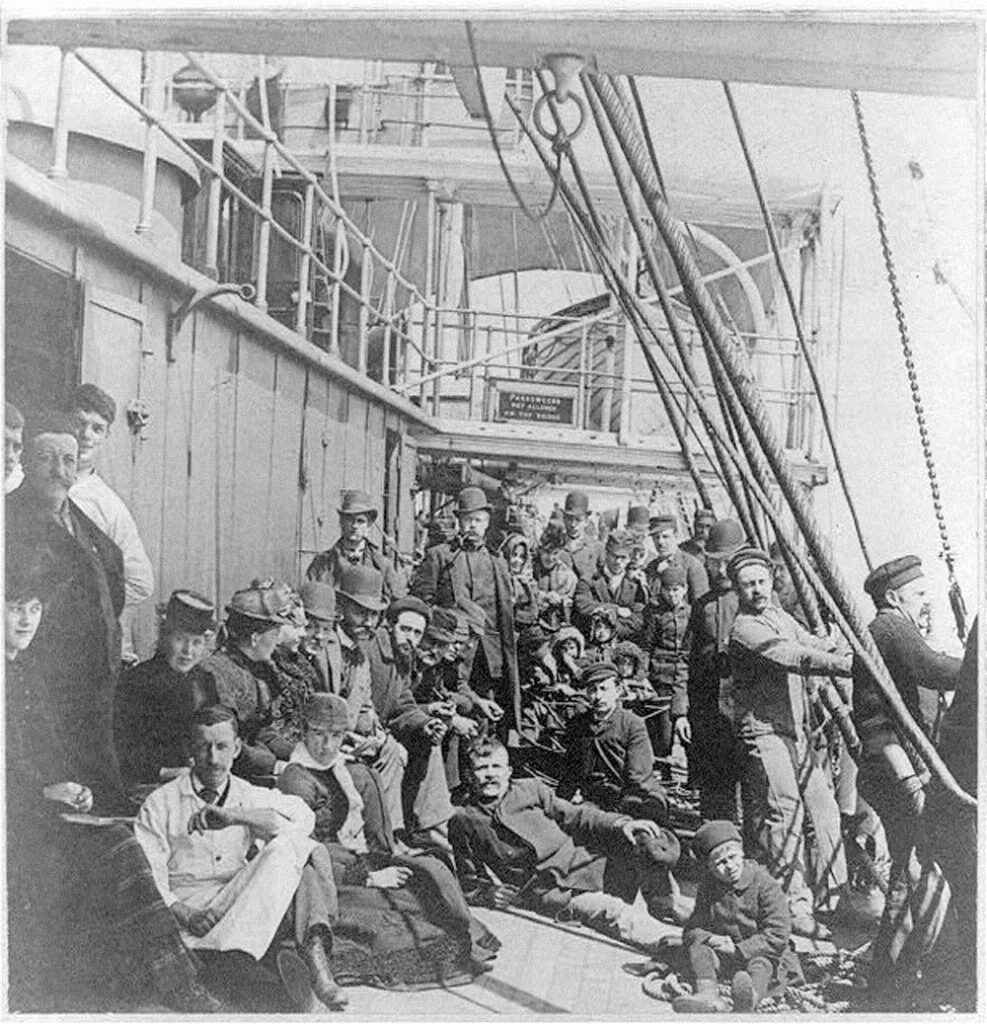
Migrants on a boat to the United States in 1890; image from the Library of Congress.

This migration was not just a boon for the United States. Many migrants sent money home, adding $4 million to $30 million a year to the Italian economy, a US government commission estimated in 1896. Herman Stump, US Commissioner-General of Immigration in the mid 1890s, reported that “the marked increase in the wealth of certain sections of Italy can be traced directly to the money earned in the United States.” But it was not simply about the money; emigration soaked up excess labor, returned migrants brought back new skills and contacts, and migration links drove stronger trade and investment relationships.

Indeed, the age of mass migration coincided with—and was possibly one of the drivers behind—a period of rapid income convergence between the old and new worlds. By 1910, incomes in Italy were perhaps 30% higher than they would have been without emigration.

Today, we are once again in an age of mass migration. And the movement of people could again be the driving force behind global convergence—especially if origin countries seize the opportunity.

A New Age of Mass Migration

The number of migrants worldwide has been rising again. One estimate for the first decade of the 20th century—the previous peak—is that 1.67% of the world’s population migrated across the Atlantic or Siberia. In the first decade of the 21st century, migrant flows amounted to about 1.2% of the world’s population.

But this was just the start. Global demographic trends point to a dramatically rising demand for migrants from the world’s richer countries. Europe will see its population decline by about 150 million people over the next century, not far off the one quarter drop between 1300 and 1400 as a result of Black Death.

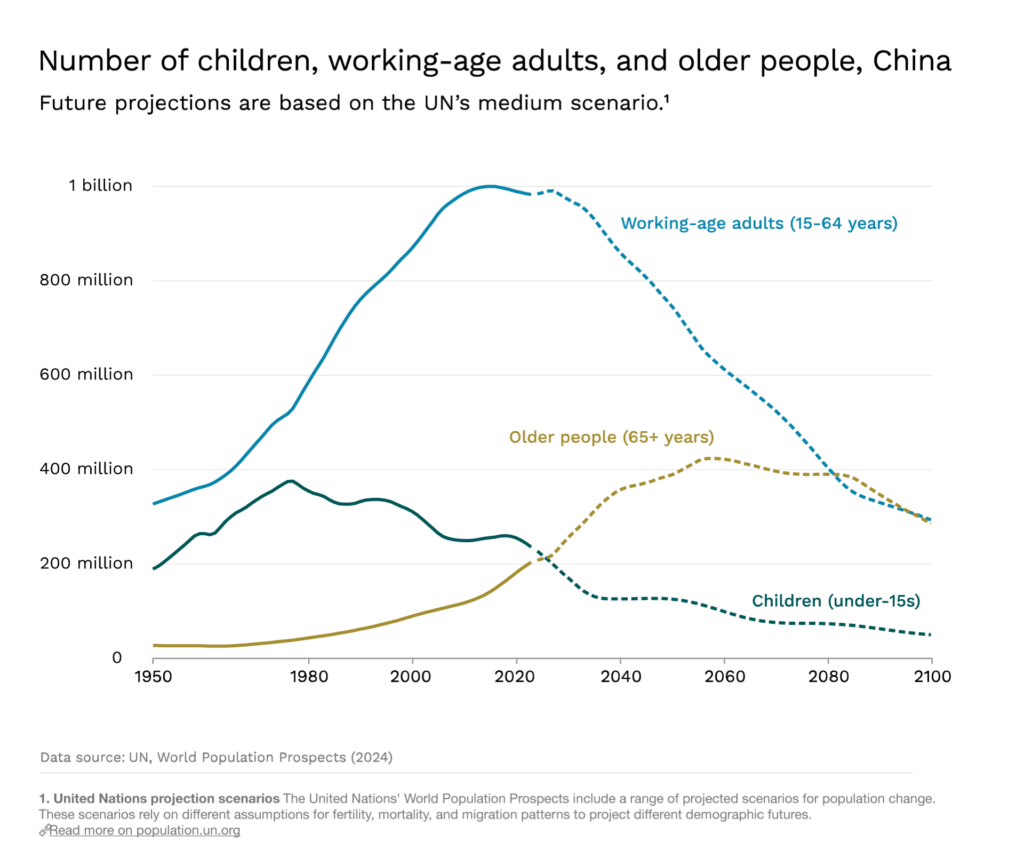
But it isn’t only Europe in this situation or even just the richest countries. Upper-middle income China is facing a demographic cliff. The working age population in the country will fall by 160 million between 2020 and 2050. By the 2040s or 2050s, Brazil, Thailand, and Turkey will also start shrinking.

Number of children, working-age adults, and elderly people in China over time, including future projections. Data from Our World in Data.

The impact on workforces has already begun. As recently as 2008, high income countries were adding 6 million people to the working-age population each year. From the mid 2020s, they will lose 2 million a year. Add in upper-middle income countries, and that climbs to losing 10 million workers a year by the 2030s. These missing workers do not immediately disappear; rather, they retire. And retired people will continue to demand goods and in particular nontradeable services like care, even if they no longer produce them. That means they will create demand for work even if they’re not working.

Stagnating or shrinking working-age populations are one significant reason why the last few years have seen stories about worker shortages in farming, healthcare, mining, restaurants, sales, construction, transport, professional Santa Claus actors, daycare, the beer and wine industry, cheesemaking, security, interior decoration, ski lift operation, and zookeeping.

Population decline will be why even politicians elected on anti-immigrant platforms are opening the doors to more migrants. Politics cannot sweep away demographic trends. In Hungary over the last decade, a government publicly committed to not accepting a single migrant has opened up to ‘guest workers’ instead, and immigration rates have climbed dramatically since 2016. Something similar has occurred in Italy. These countries follow in the footsteps of traditionally immigrant-phobic Japan and South Korea to woo migrant labor.

Opportunities for Origin Countries

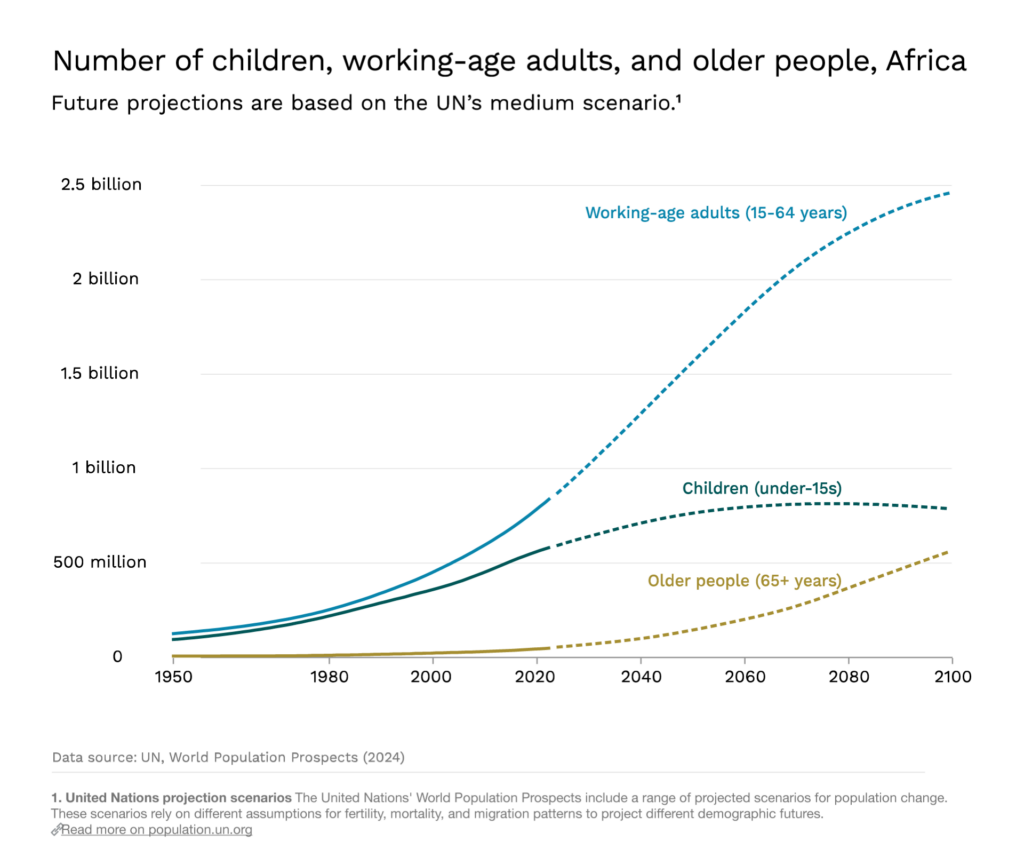
But population decline is not universal. The working-age population in low and lower-middle income countries will expand by about 1.12 billion between 2020 and 2050, or by about 37 million per year. They will also be the most educated generation in their countries’ history. The proportion of children in low-income countries that have completed lower secondary education has climbed to 38% in 2024 from 17% in 2000, for example. As they enter the workforce, they will want good jobs.

Number of children, working-age adults, and elderly people in Africa, including future projections. Data from Our World in Data.

Ensuring there are such jobs is the secret of turning the ‘demographic dividend’ of a bulging working age population into the kind of miracle growth rates that East Asian countries achieved in the second half of the 20th century. But there is a risk alongside that potential: without more jobs, the dividend could help spark turmoil: the Arab Spring was powered by a young, educated population with nowhere to go but the streets.

And there are fewer domestic opportunities to provide that employment. The traditional development model of rapid growth in jobs and income through manufacturing exports is breaking down. Relative demand for manufactured goods is falling worldwide and global value added in manufacturing exports as a percentage of global output is declining. That’s because older, richer people—like those vanishing from the labor force in rich countries—want services rather than stuff. They need healthcare, not cars. Add in continuing automation, and forecasts suggest there may be about 66 million fewer people working in manufacturing worldwide in 2050 than in 2018. Meanwhile, global services employment (much of it untradeable and difficult to automate – think home care, education, policing, construction, cleaning, and maintenance) might climb from about 1.3 billion in 2018 to 1.9 billion between 2018 and 2050.

This means that the timing of the second demographic transition toward a shrinking workforce in older countries couldn’t be better. Upper income countries need more workers, while lower income countries have workers to spare. Migration is the mutually beneficial solution to this global workforce imbalance.

Benefits of Emigration

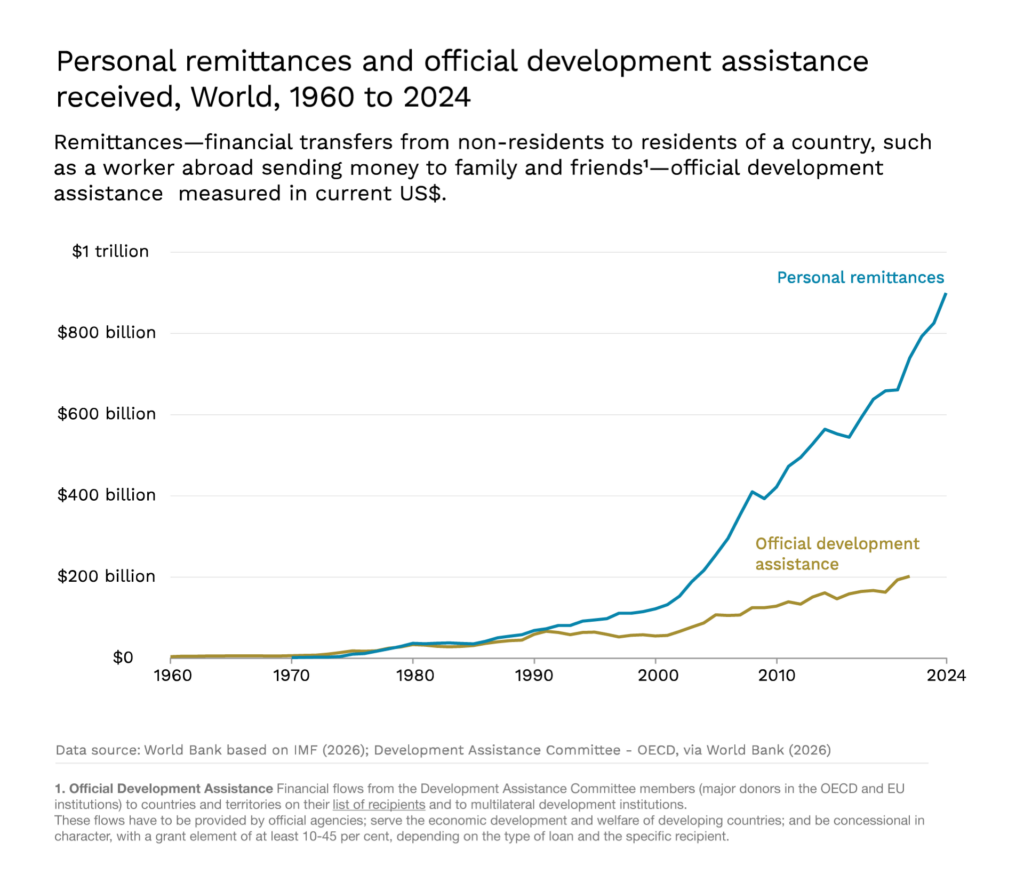
Like immigrants in the 19th century, modern immigrants remain deeply connected to their home countries. Remittances are an increasingly large portion of incomes in developing countries, already accounting for a third of capital inflows to those countries in 2022, far more than all foreign assistance combined. Remittances help reduce levels of extreme poverty, pay for healthcare and education, increase savings, and cushion income shocks. And, for about a third of the world’s countries, remittances revenues were more than manufactured export revenues in 2023.

Personal remittances and official development assistance over time. Data from Our World in Data.

But, as it was a century ago, emigration is about far more than remittances. Migration promotes learning, trade and investment.

In the Philippines, the opportunity to migrate and earn as a nurse abroad has been a considerable incentive to stay in school and study nursing: so much so that for each nurse migrant, nine additional nurses were licensed in the country. This ‘brain gain’ effect will be why nearly three-quarters of the long-run income gains from emigration out of the Philippines came from domestic rather than migrant income. The prospect of emigration drove increased education, which in turn increased domestic income.

Similarly, the Indian information technology boom was underpinned by a domestic talent base that expanded in response to the opportunity to emigrate to the US, and then benefited from the contacts and experience of those who had migrated. Sridhar Vembu is one example: he studied at the Indian Institute of Technology – Madras, did graduate work at Princeton, and went on to a career at Qualcomm in the US. He used that experience to found Zoho, a software development company that set up offices in small towns and villages in India, providing customer relationship and project management tools for small and mid-sized companies around the world.

There are many such examples. Migrants with experience in South Korean textile factories returned alongside South Korean investment to launch Bangladesh’s own textile export revolution, while return migrants to Mexico powered a significant shift in workforce distribution toward the manufacturing sector. Refugees who fled the former Yugoslavia and spent time in Germany in the 1990s brought skills back to their countries after the war was over and fueled a knowledge-intensive export boom.

Across the world, countries that have more emigrants in communities in the US see faster trade growth with those communities. Meanwhile, those with more college-educated emigrants in the US receive more FDI from the US, and those with more patent-producing emigrants in the US have seen faster manufacturing growth.

It’s true that the cross-country correlation between emigration and economic growth suggests the relationship isn’t strong on average and may be negative for some countries. This is likely at least partially because mass emigration can be an act of desperation—fleeing violence or lack of opportunity. But a country investing in its future by harnessing the power of emigration is a distinctly different proposition than a failed state in which citizens have no choice but to leave if they can.

And the opportunity is large and growing: indeed, the average country already has an emigrant stock more than twice the size of its stock of manufacturing employees, and existing emigration may already be shrinking cross-country income inequality and global poverty, reducing the number of people living on less than $5.50 a day worldwide by between 67 to 105 million people.

Where’s My Ministry for Emigration?

When it comes to encouraging emigration, the Philippines has set the standard by creating the Philippine Overseas Employment Administration, providing pre-emigration training and certification, and an Overseas Workers Welfare Administration to assist workers and help prevent their exploitation abroad. Some eleven million Filipinos live overseas, and remittances amounted to 9% of GDP.

Other origin countries should follow its example by exploiting the increasing need for workers in rich countries to ensure greater benefits for those who stay at home. This is likely to involve a focus on more migration: not least, signing a bilateral labor agreement is associated with larger flows.

But, to reap the greatest benefits, sending countries need to do more than that. They need to ensure that emigrants have the skills they need to seize the best opportunities they can: not just in farm labor and housekeeping, but also in nursing and IT.

Increasing supply is key to making this work as part of a growth strategy. If the number of skilled workers is fixed, emigration might reduce access to those skills at home. And there is a linked point here about expansion of training to meet the demands of potential emigrants. Since most of the gains from emigration are private rather than public, the associated training costs should also be private rather than public.

Take nursing: in the Philippines, most trainees pay for their education. For-profit nursing schools have expanded to provide that training and the country now has a lot more nurses at home and abroad as a result. To ensure equitable access, countries might provide loans to cover education and training costs, which (in the case of medical staff) could be forgiven if students go on to practice in public hospitals and clinics at home.

As moving abroad is expensive, and many potential migrants have limited access to credit, origin countries could also provide potential emigrants with loans for travel and resettlement costs. And they could also help ease the process by backing domestic university and vocational training curricula that meet destination country standards: for instance, German and Indian education institutions are developing joint nursing curricula.

But as the competition for immigrants—and especially skilled immigrants—heats up, destination countries should themselves be increasingly willing to bear the costs of training. Japan, which has long included training as part of a package offered to emigrants, is improving that package to better guarantee rights, allow flexibility to switch employers, and ban demands for payment to access the training.

Origin countries could also make better use of their returning migrants. Currently, it is all too common for returnees to use their savings to invest in low-productivity, low-growth small enterprises, perhaps because of low skills or few opportunities. Origin countries can help to prevent this by facilitating migration to employment opportunities that will create skills and linkages that can be exploited to create domestic industry. Following the Bangladesh model, for example, if a government wants to encourage textile manufacturing at home, it should help potential emigrants find work in that industry in a destination country with a mature textile industry (preferably at all employment levels).

And origin countries should make it easy for that diaspora talent to return. Taiwan created the Industrial Technology Research Institute (ITRI) to turn the country into an electronics powerhouse. Its early strategies included sending students for advanced courses and employees for training to US schools and companies. Once people were trained to global standards, there were incentives to return to Taiwan. The institute provided housing, health services, and the country’s only public bilingual secondary school to lure talent back. The institute—and its returnees—later spun out both United Microelectronics Corporation (current market capitalization: US$24 billion) and Taiwan Semiconductor Manufacturing (market capitalization: US$1.6 trillion).

But instead, many countries discourage return migration. Some don’t allow dual citizenship, forcing potential emigrants to choose between their new country and their old. Few countries coordinate on social security payments for (potentially) temporary migrants. Both are fixable problems—Morocco, for example, actively encourages return migration by including social security arrangements in its bilateral labor agreements.

Countries can also focus on building out the industries that their existing stock of emigrants already work in. For instance, the Philippines has focused on building its medical tourism industry. If nurses that go abroad wish to return to the Philippines, there are internationally accredited hospitals in which they can work. In 2023, there were already some 30,000 medical tourists in the country.

That said, serendipity plays a role. Consider the example of Fahad Awadh. He left Tanzania as a young child and studied in Canada. He was not a highly skilled immigrant; there was no particular plan that he would be an asset to Tanzania. But, in Canada, he built a clothing brand and learned about sourcing and trade. When he returned to Tanzania in 2013, he used his skills and connections to found and build YYTZ Agro-Processing, which processes nuts and markets them globally under the More than Cashews brand. It sources from 4,700 smallholders, increasing their incomes and customer base. Certainly, agroprocessing is some distance from Awadh’s original experience in clothing. But a larger flow of emigrants increases the chance that these random acts of cross-country entrepreneurship occur.

The first age of mass migration closed with the imposition of migration restrictions in the US and beyond. The second age is beginning as similar restrictions are loosened under the increasingly urgent pressure to find workers. And, like the first age of mass migration, the second has the potential to make the world considerably richer. Luigi Pastene and Luigi Vitelli made migration a tool for Italian development a century ago, and it worked as well today to help Fahad Awadh create jobs and growth in Tanzania, ITRI launch semiconductor factories in Taiwan, and Bangladesh build its textile industry. More developing country governments should seize the opportunity.

Charles Kenny is a Senior Fellow at the Center for Global Development, and the author of Getting Better: Why Global Development is Succeeding and Life, Liberty, and the Pursuit of Utility: Happiness in Philosophical and Economic Thought.

If you have comments on this article, or wish to contribute to the discussion, please email them to letters@indevelopmentmag.com. Responses will be featured in a letters section.